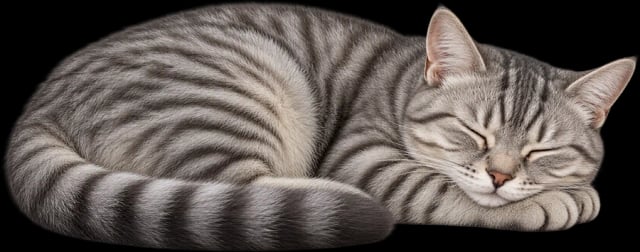
Bones, joints & the Fold gene
What the TRPV4 Fold variant can do to cartilage, joints, paws and the tail — and what chronic pain can look like.
Explore this guide
Getting things ready…
Loading care guides
Find the guide you need
Start with what you notice. Fold-related joint concerns and general cat health problems are explained separately, with safe home changes and veterinary next steps.
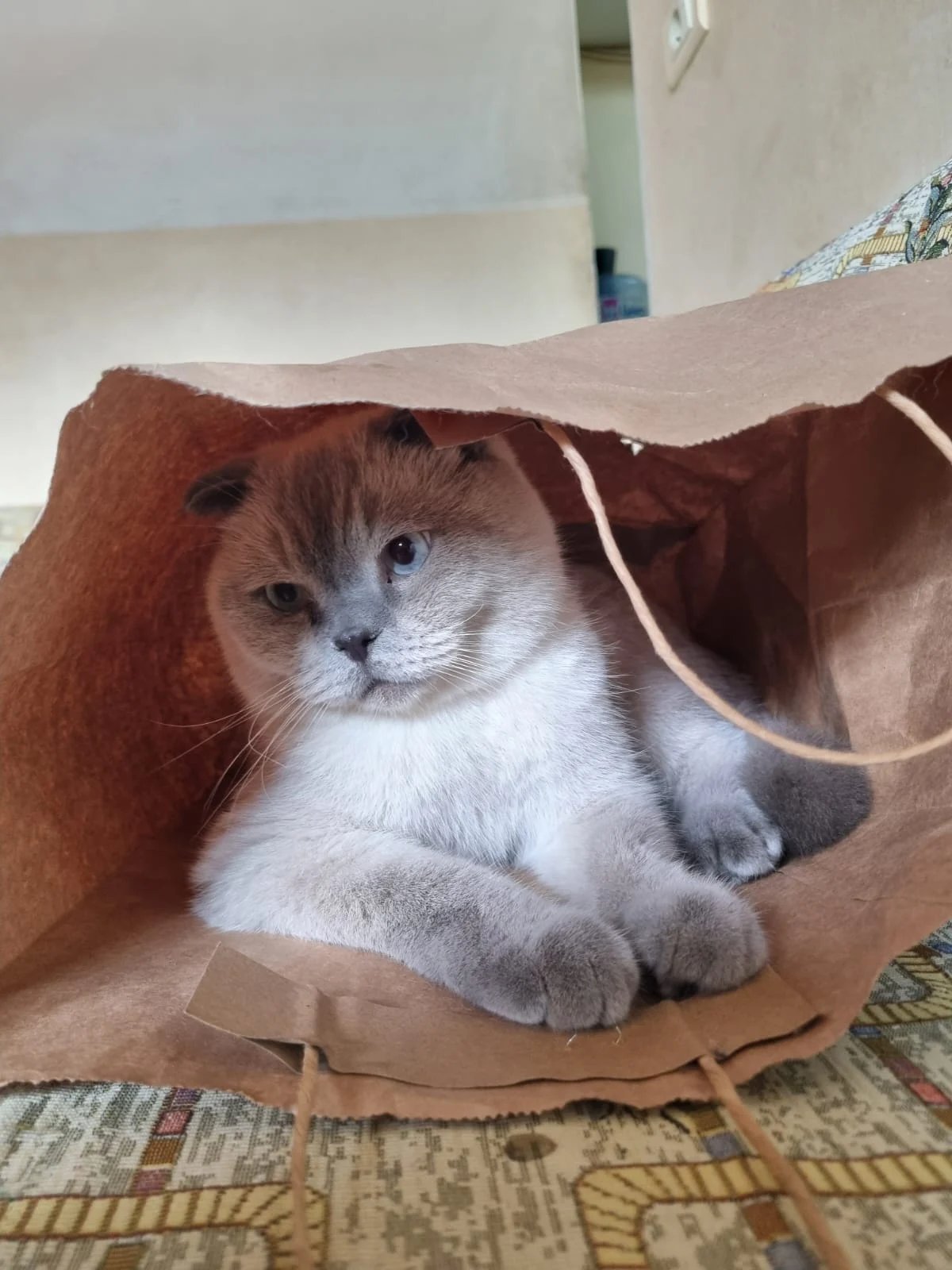
What the TRPV4 Fold variant can do to cartilage, joints, paws and the tail — and what chronic pain can look like.
Explore this guide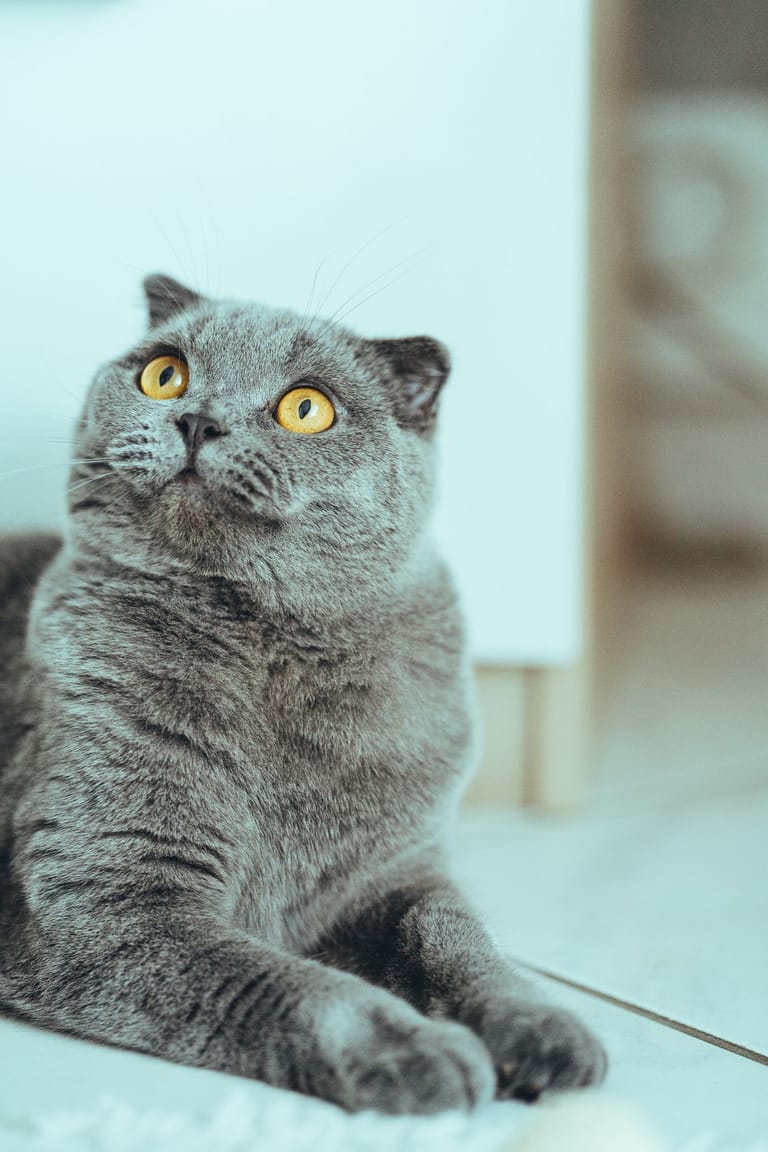
How chronic joint pain can change jumping, stairs, grooming and everyday behaviour — even when a cat still plays sometimes.
Explore this guide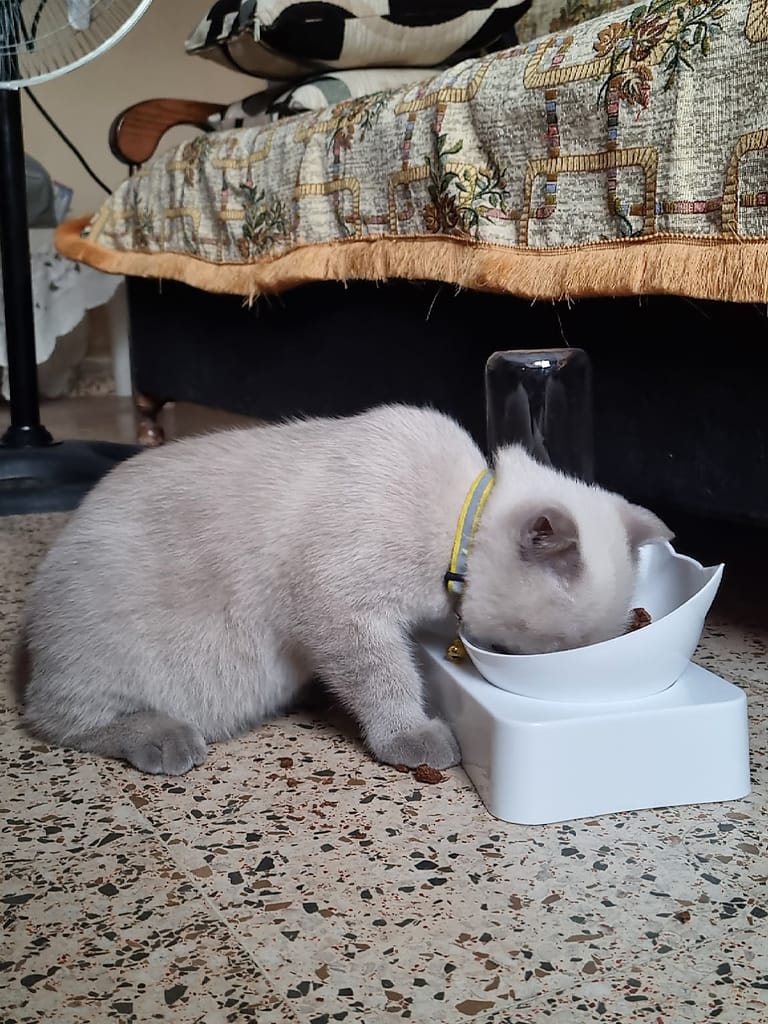
How to tell vomiting from regurgitation, what frequent episodes can mean, and what information helps your vet.
Explore this guide
Why PKD1 genetic screening can be worth discussing in Scottish Folds and what a positive result means.
Explore this guide
What hypertrophic cardiomyopathy is, what a routine exam can pick up, and when an echocardiogram may be recommended.
Explore this guide
Simple care without over-cleaning: what healthy folded ears can look like, how grooming affects swallowed hair, and when to ask a vet.
Explore this guide
Why lean body condition matters for painful joints and how to watch trends in comfort, play, grooming, appetite and social behaviour.
Explore this guide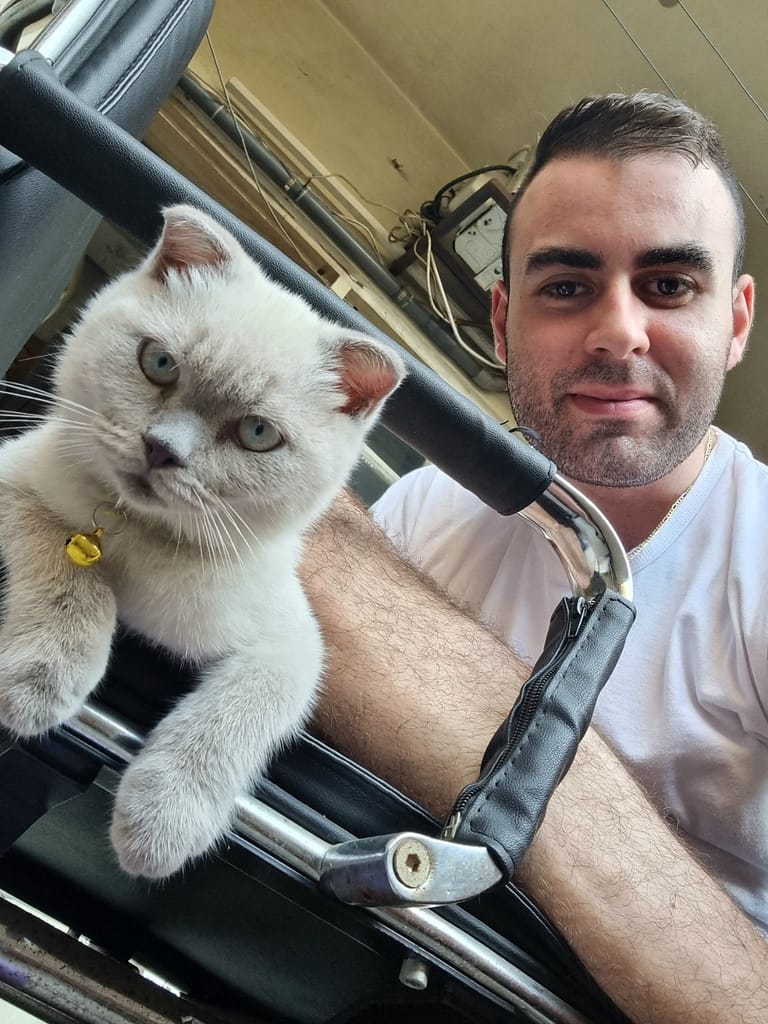
A practical red-flag guide for repeated vomiting, breathing trouble, severe pain, sudden weakness, appetite loss and major behaviour changes.
Explore this guide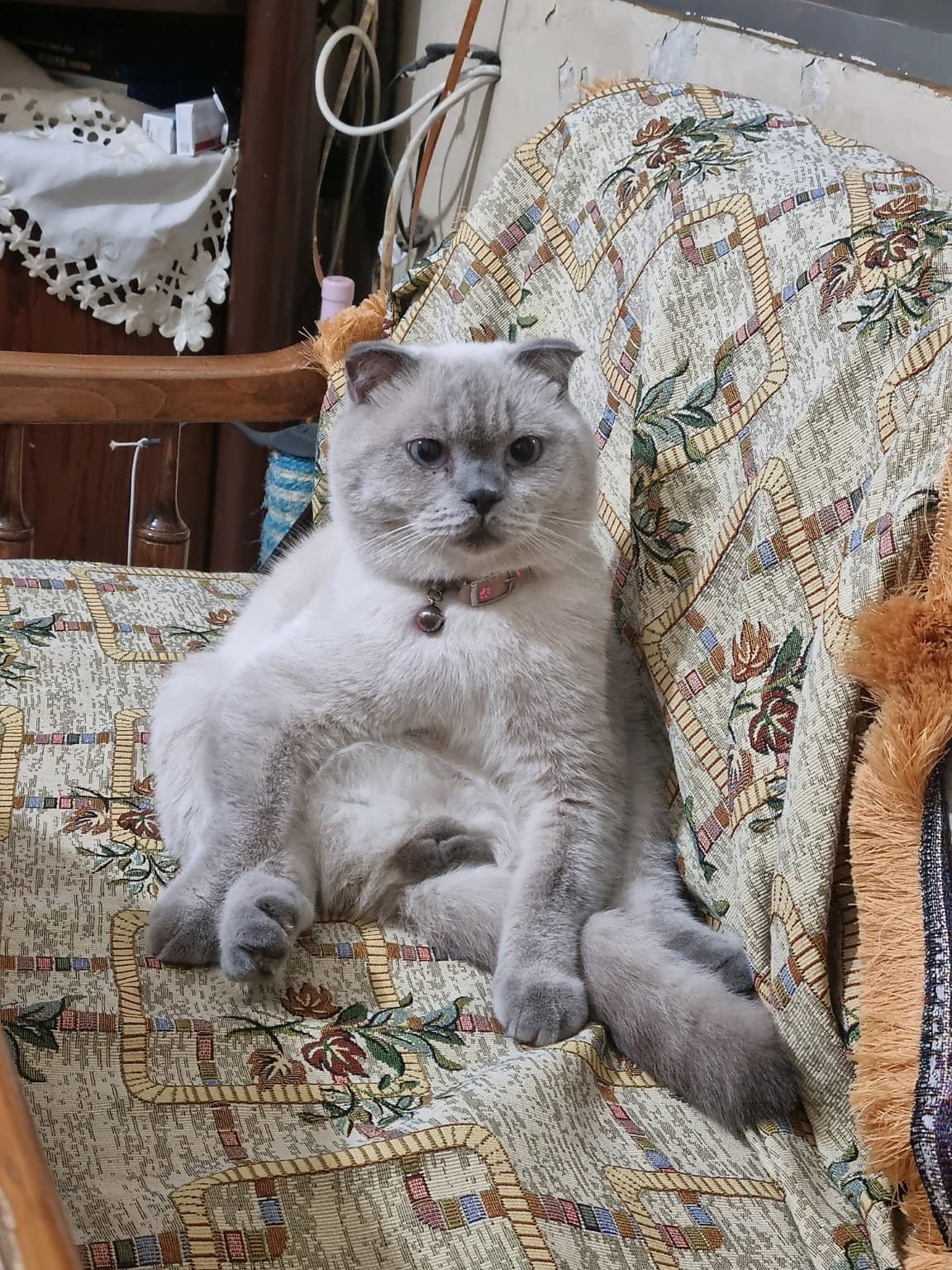
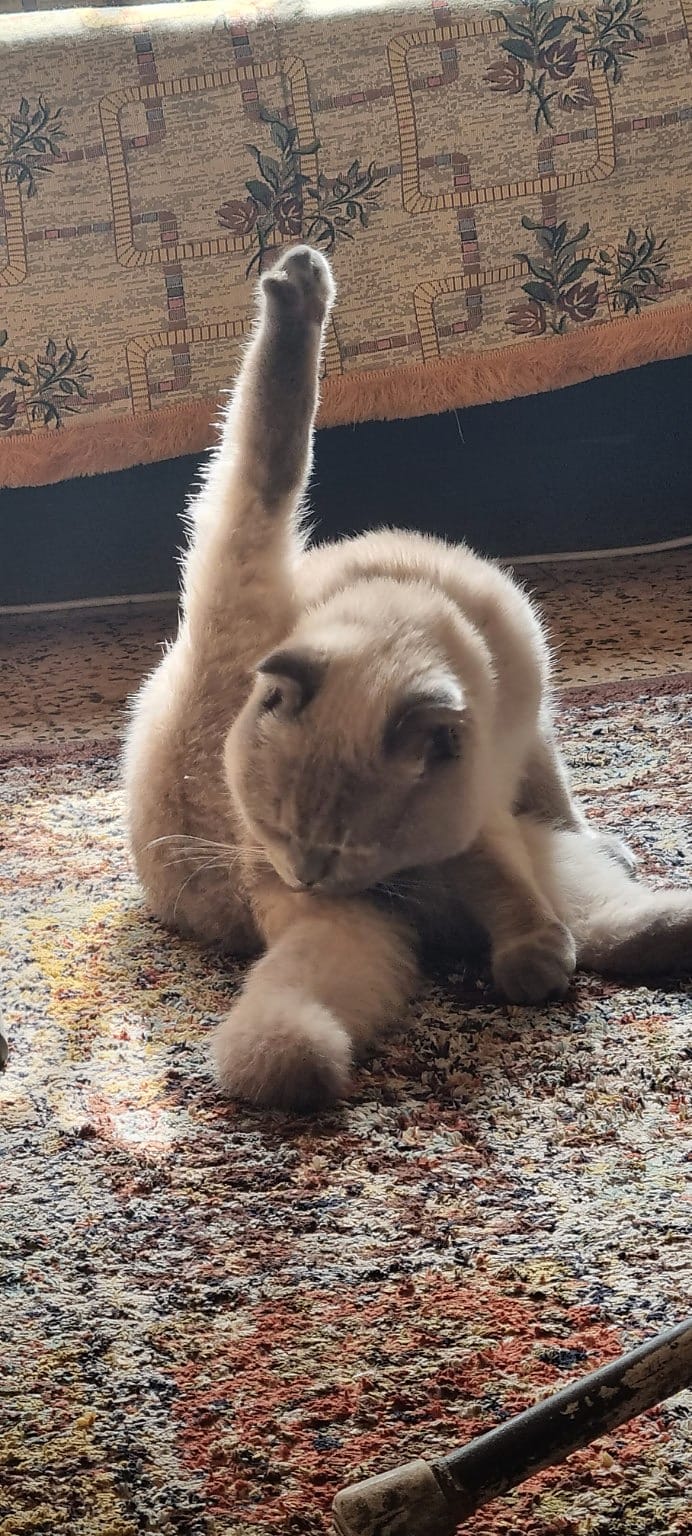
A home adaptation, not a treatment or a test of jumping ability.
Practical home adaptations and calmer veterinary visits. These changes support comfort; they do not replace examination or treatment.
Explore this guide